Brake Service
The Importance of Brake Inspections: Ensuring Safe and Optimal Braking Performance
From detailed visual assessments to performance testing, brake inspections are always a must. An expert brake inspection can help you save money, stay safe on the road, and keep your car in excellent shape.
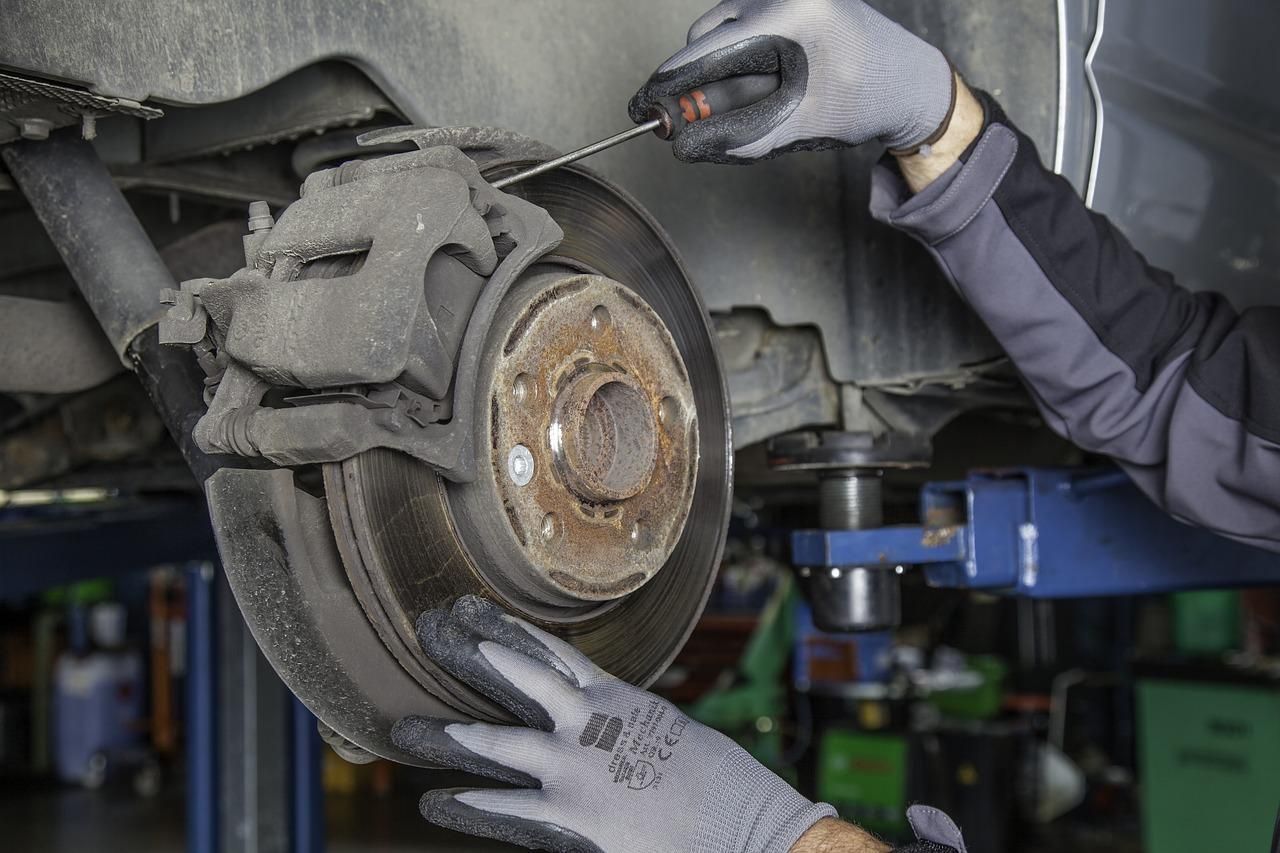
Brake inspections help keep your vehicle safe out on the road. Without regular and professional inspections by a trained eye, you can never be entirely sure your car will stop when you want it to. Making sure your brakes are reliable, simply put, is one of the most important things we can do as car owners.
It can also save us a lot of money in the long run. Major car repairs seldom build up overnight. It takes time for wear and tear or other defects to make a significant impact on your vehicle. Regular inspections, like those we provide at Riker’s Automotive & Tire, keep the cost of repair manageable by pinpointing those warning signs at an early stage.
Visual Inspections
Visual inspections of your brakes are a necessary part of our process here at Riker’s Automotive & Tire. We can give you an essential heads-up about upcoming problems and help us stay on top of your brake system’s health at the same time. Some major warning signs we’ll look for in your brakes include things like:
- Brake pads and shoes: Manufacturers specify a minimum recommended thickness for us to follow. We’ll stay within those specifications to ensure the longevity of your braking system.
- Brake discs and drums: Brake discs are susceptible to warping, scoring, and other kinds of damage. If we see any of that, we know the brakes probably need repair.
- Brake lines and hoses: Leaky brakes can cause the braking system to fail at a critical moment. They might also increase wear and tear on your braking system with time. We’ll keep an eye out for this during our inspection.
- Brake calipers and wheel cylinders: A brake caliper and wheel cylinder evaluation can ensure they continue applying the right level of pressure to the brake pads.
- Brake fluid level and condition: A full brake fluid level and quality check can help the braking system keep running smoothly.
Performance Testing
As necessary as visual inspections are, we’ll need to see how the brakes perform in action to really judge their safety. Paying attention to how the brakes feel as you’re driving can alert us to defects or maintenance issues before they cause a major problem. Brake performance testing means test driving the car and looking out for:
- Brakes that feel stiff, loose, or otherwise “off.”
- The braking system is making any squeaking or grinding sounds
- Brakes that feel unresponsive when you press down on them
Each of these can show some problem or another with the braking system. For instance, grinding noises are a major warning sign that the pads have worn out and need replacement.
Vibration is another significant warning sign. If we feel the brakes or even the steering wheel vibrating while the car is in motion, it could mean something is wrong with your suspension. Getting a professional brake inspection can prevent these problems before they start or worsen.
Scheduling a Professional Brake Inspection
Professional brake inspection by a team of experts has many advantages. For one thing, they can perform brake component assessments at regular inspection intervals, helping you detect problems earlier.
Plus, experts come with expert tools like hydraulic pressure tests for testing brake performance. We can take precise measurements of brake pad thickness and fluid levels, as well as make repair recommendations as needed. Our teams have enough experience to spot small problems early through a combination of:
- Abnormal brake noise detection.
- Braking system diagnostics.
- Overall brake performance evaluation.
Timely brake issue resolution is paramount when there’s an issue with the braking system. Having the braking system properly maintained does more than give you peace of mind: It helps protect the safety of yourself and your passengers while avoiding even more expensive repairs. The longer you put off maintenance, the greater the odds of a serious malfunction that could cost a lot of money to fix.
Plan for Regular Inspections
Establishing regular inspections is important for keeping up brake health. As a general rule, do an inspection once every six months. If your car is older or has a lot of miles on it, you may want to take it in even more often.
Routine brake inspections can ward off brake failures, boost the longevity of your brakes, and maximize their daily performance. It’s a non-negotiable part of responsible vehicle ownership, and we hope this guide has given you a solid idea of how to get started.
And remember that although you can and should do your own at-home inspections, nothing replaces the eye of a certified technician. Scheduling a professional inspection can enhance the safety and comfort of all your future road trips.
For Precision Brake Inspection, Choose Southgate Automotive
Southgate Automotivehas proudly served the people of Reno, NV since 1992. Our focus is on providing fast and superior automotive service at an affordable price that keeps you safe on the road.